
Capabilities
Institutional
Capability Architecture.
The Academy provides individual and collective training, scenario design, interagency coordination, tactical medicine, risk-based planning, and exercises focused on complex urban environments However, the website does not specify training levels, program duration, entry requirements, or annual training capacity.
Operational & tactical training
Mission-based scenarios linked to command intent
Simulation & command decision superiority
Live, virtual & constructive environments
Leadership formation under pressure
Command behaviour observed in operational context
Instructor & trainer development
Train-the-trainer pathways for institutional sustainability
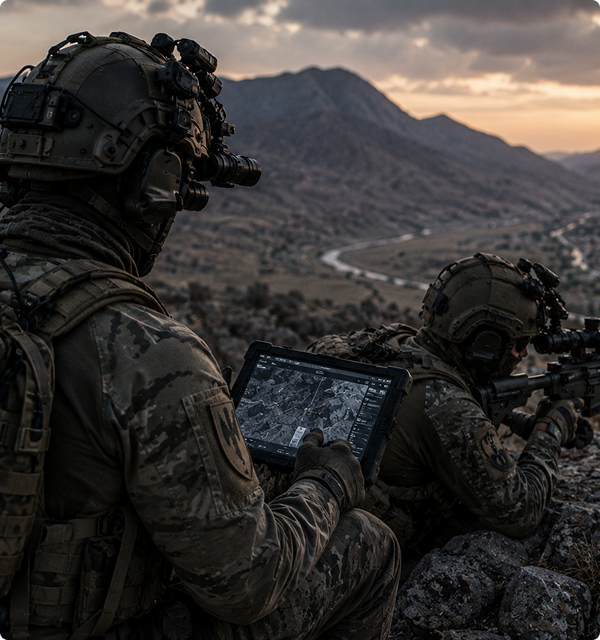
Scenario-Driven. Decision-Linked.
Mission-Relevant.
Many providers focus on drills & isolated skill execution.
We focus on operational context & command intent!
Al Shamil delivers:
◈ Individual & collective tactical training.
◈ Mission-based scenario design.
◈ Counterterrorism & complex urban environment exercises.
◈ Inter-agency coordination training.
◈ Tactical medicine integration within live scenarios.
◈ Risk-based operational planning modules.
Our approach differs in one critical way – every tactical exercise is linked to command decision-making & leadership behaviour. Training is not drill-driven. It is scenario-driven & consequence-based.
Example – a counterterrorism module does not end with entry techniques. It includes:
◈ Mission planning & risk assessment.
◈ Decision-making under time pressure.
◈ Multi-unit coordination.
◈ After Action Review with leadership evaluation.
We do not train isolated actions.
We train operational responsibility.
design
coverage
Structured Oversight. Institutional Accountability.
Al Shamil operates within the UAE & aligns with regulatory oversight frameworks.
Capabilities include:
◈ Structured safety management systems.
◈ Risk assessment & mitigation protocols.
◈ Controlled scenario approval.
◈ Data protection compliance.
◈ Instructor certification governance.
◈ Audit-ready documentation standards.
Governance is not an administrative function.
It is part of capability integrity.
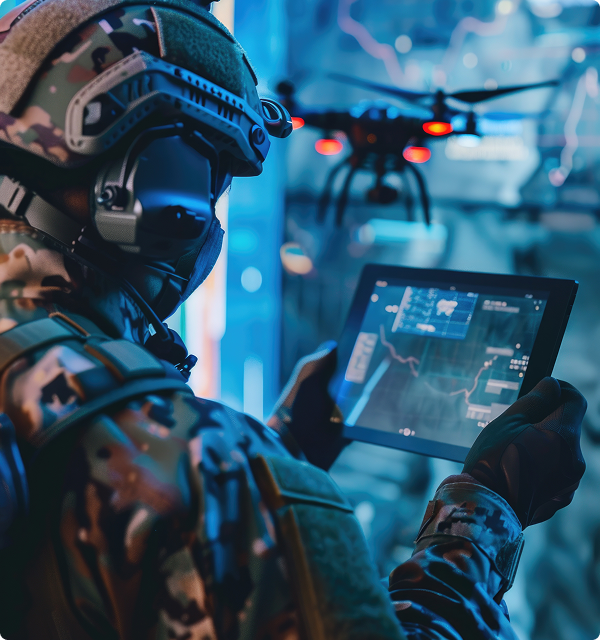
From Observation to Measurable Readiness.
Most regional providers deliver training without structured performance analytics.
Al Shamil integrates:
◈ Structured evaluation criteria.
◈ Decision quality measurement.
◈ Scenario-based performance scoring.
◈ Trend analysis across training cycles.
◈ AI-supported data interpretation.
Artificial Intelligence is used responsibly to:
◈ Identify performance patterns.
◈ Highlight decision gaps.
◈ Strengthen debrief precision.
◈ Support readiness reporting.
Technology enhances reflection & improvement.
It does not replace instructor judgement.
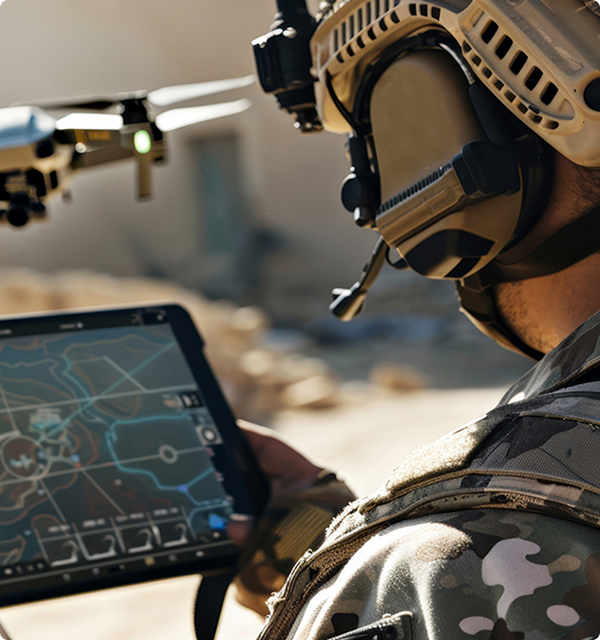
Technology in Service of Thinking.
Simulation exists globally. Integration is rare.
While defence primes deliver high-fidelity simulation systems, they are typically platform-centric, private providers often use simulation as demonstration technology rather than decision laboratories.
At Al Shamil Training and Consultancy Academy, simulation is embedded before, during & after live training.
◈ Live, Virtual & Constructive (LVC) integration.
◈ Command Post Exercises (CPX).
◈ Joint & inter-agency scenario modelling.
◈ Instrumented training environments.
◈ Structured After Action Review systems.
◈ Performance data capture & replay.
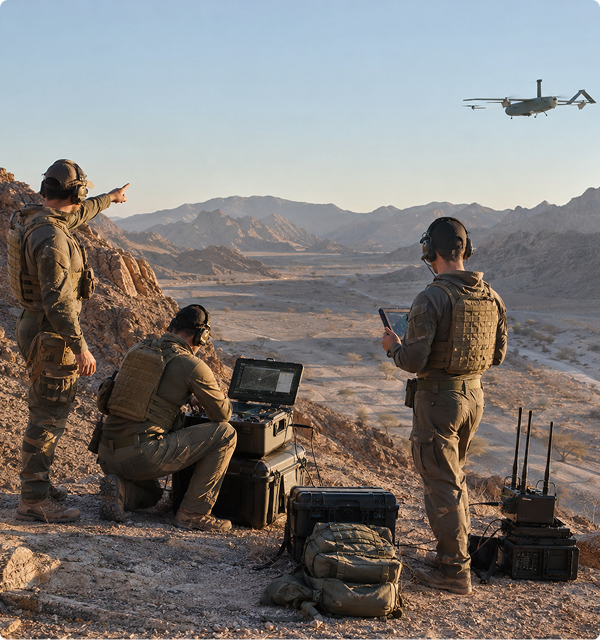
Integrated
Academy Advantage.
A Unified Capability Ecosystem.
International primes train systems.
Regional providers train skills.
State academies train baseline competence.
Al Shamil integrates:
◈ Operational training.
◈ Simulation.
◈ Leadership development.
◈ Instructor sustainability.
◈ Performance analytics.
◈ Governance discipline.
into one coherent academy model.
This integrated structure is the strategic gap identified in the regional landscape.
Leadership Observed &
Developed in Action.
Leadership training in many institutions remains classroom-based & detached from operational complexity.
At Al Shamil:
◈ Leadership development is embedded within exercises.
◈ Command intent is tested under stress.
◈ Ethical decision-making is evaluated in context.
◈ Responsibility & accountability are observed in real scenarios.
This produces leaders who act under pressure, not leaders who speak well in theory.
Before Exercises
Define Responsibility
Command structure & clarity of intent are established before operations begin.
During Exercises
Observe Behaviour
Leadership is measured through decision quality, communication under stress, & how personnel respond to uncertainty.
After Exercises
Reflect on Integrity
Structured debrief examines what was decided, why it was decided & what it reveals about command character.
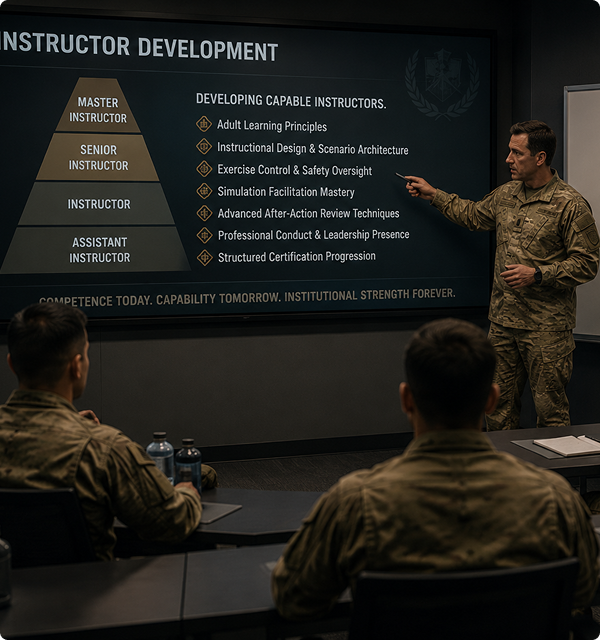
Instructor Development Institutional Sustainability.
Across the region, heavy reliance on expatriate or experience-only instructors creates capability fragility.
Al Shamil develops instructors as a strategic national asset.
Our Instructor Development Pathway includes:
◈ Adult learning principles.
◈ Instructional design & scenario architecture.
◈ Exercise control & safety oversight.
◈ Simulation facilitation mastery.
◈ Advanced After-Action Review techniques.
◈ Professional conduct & leadership presence.
◈ Structured certification progression.
Instructor Levels:
◈ Assistant Instructor.
◈ Instructor.
◈ Senior Instructor.
◈ Master Instructor.
Promotion requires formal evaluation & demonstrates competence – not tenure alone.
This ensures knowledge retention & long-term institutional resilience.
An Integrated
Ecosystem,
Not Isolated Courses.
Al Shamil Training and Consultancy Academy delivers more than training courses.
◈ Structured operational readiness.
◈ Measurable command development.
◈ Integrated simulation environments.
◈ Leadership formation under pressure.
◈ Instructor sustainability pathways.
◈ Long-term institutional capability.